

Posted 1 year ago 518 views 4 mins read
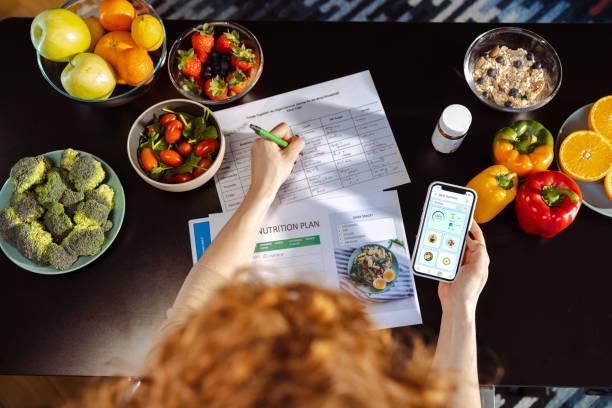
Eating healthy is expensive.” You’ve heard this countless times, right? But here’s the truth: it doesn’t have to be. Research from the Harvard School of Public Health found that eating a nutritious diet costs just $1.50 more per day than eating unhealthy. That’s less than your morning coffee!

“Eating healthy is expensive.” You’ve heard this countless times, right? But here’s the truth: it doesn’t have to be. Research from the Harvard School of Public Health found that eating a nutritious diet costs just $1.50 more per day than eating unhealthy. That’s less than your morning coffee!
With a little planning and some smart shopping, you can create a meal plan that’s both healthy and budget-friendly. No more excuses, no more wasted money, and definitely no more unhealthy meals because "it's cheaper." This guide is here to show you how to maximize nutrition without stretching your wallet. Ready to save money and eat better? Let’s get started!

The first step to eating healthy on a budget is knowing how much you’re working with. Whether it’s $30 or $100 a week, your budget sets the foundation for your meal plan.
Tip: Stick to your budget by shopping with a calculator or using apps that track spending.
Healthy eating doesn’t mean buying expensive superfoods. Affordable staples can provide the nutrients you need.

Pro Tip: Build meals around these staples to keep costs low and nutrition high. For example, a lentil soup with brown rice is cheap, filling, and nutrient-dense.
Meal planning is your secret weapon for saving time and money.
Example Meal Plan:

Navigating the grocery store wisely can save you big bucks.
Pro Tip: Shop with cash to avoid overspending.

Eating out is convenient, but it’s expensive and often less healthy. Cooking at home puts you in control of your ingredients and your budget.

Throwing away food is like throwing away money. Here’s how to cut down on waste:
Freeze Extras: Cooked grains, soups, and chopped veggies can all be frozen for later.
Repurpose Scraps: Use vegetable peels to make homemade broth.
First In, First Out: Use older ingredients before newer ones to avoid spoilage.
Healthy snacks don’t have to be pricey. Skip the fancy protein bars and make your own.
Sometimes the store doesn’t have what you need, or prices are higher than expected. Be prepared to adjust.
Keep track of your spending and eating habits. Evaluate what’s working and adjust your plan as needed.
Healthy eating on a budget is all about strategy. By planning your meals, shopping smart, and focusing on affordable staples, you can save money and improve your health. It’s not about being perfect—it’s about making better choices, one meal at a time.
Leading the way in health excellence through innovation, expertise, care and support.