

Posted 1 year ago 817 views 3 mins read
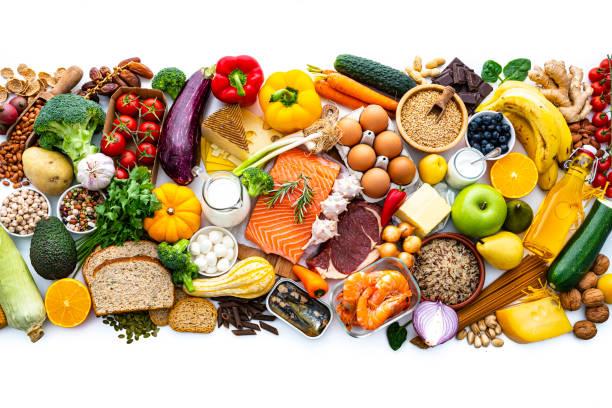
Nutrition is the cornerstone of good health.” This isn’t just a catchy phrase—it’s a fact backed by science. According to the World Health Organization, poor diet is a leading risk factor for chronic diseases such as heart disease, diabetes, and cancer, contributing to millions of preventable deaths each year. The good news? Small, consistent changes in your diet can significantly reduce your risk of these conditions.

“Nutrition is the cornerstone of good health.” This isn’t just a catchy phrase—it’s a fact backed by science. According to the World Health Organization, poor diet is a leading risk factor for chronic diseases such as heart disease, diabetes, and cancer, contributing to millions of preventable deaths each year. The good news? Small, consistent changes in your diet can significantly reduce your risk of these conditions.
Balanced nutrition is not about restrictive eating or following the latest trends. It’s about fueling your body with the right mix of nutrients to thrive. In this article, we’ll unpack how a balanced diet can shield you from chronic illnesses and offer practical tips to make healthy eating a part of your everyday life. Let’s dive in.

Balanced nutrition means giving your body the nutrients it needs to function optimally. This includes:
It’s not about perfection or cutting out entire food groups. Instead, it’s about creating a sustainable and diverse eating pattern.
Heart disease remains the leading cause of death worldwide. A diet high in trans fats, saturated fats, and sodium increases the risk, while balanced nutrition reduces it.
Focus on: Fruits, vegetables, whole grains, nuts, seeds, and healthy fats like olive oil.
Avoid: Processed foods, sugary drinks, and high-sodium snacks.
Actionable Tip: Aim for at least 5 servings of fruits and vegetables daily. Add a handful of nuts or seeds to your meals for heart-healthy fats.

Balanced nutrition plays a crucial role in preventing and managing diabetes. Foods high in fiber and low in refined sugar help regulate blood sugar levels.
Focus on: Whole grains, legumes, lean proteins, and non-starchy vegetables.
Avoid: Sugary beverages, white bread, and processed snacks.
Actionable Tip: Replace white rice with brown rice or quinoa and opt for water or herbal teas over sugary drinks.
Obesity is a major risk factor for numerous chronic diseases, including hypertension and certain cancers. A balanced diet helps maintain a healthy weight by promoting satiety and reducing overeating.
Focus on: Fiber-rich foods like vegetables, fruits, and legumes.
Avoid: Empty-calorie foods like chips, cookies, and sugary drinks.
Actionable Tip: Use smaller plates to help control portion sizes and eat slowly to allow your brain to register fullness.
Although no single food can prevent cancer, a balanced diet rich in antioxidants and phytochemicals can lower the risk.
Focus on: Colorful fruits and vegetables, whole grains, and lean proteins.
Avoid: Processed meats and excessive alcohol.
Actionable Tip: Add a serving of berries or spinach to your meals—they’re loaded with antioxidants
Minimize processed foods and choose nutrient-dense options instead. Think fresh vegetables, whole grains, lean proteins, and healthy fats.
Swap white bread for whole-grain bread.
Replace sugary snacks with fruits, nuts, or yogurt.
Step 2: Manage Portions
Even healthy foods can lead to weight gain if eaten in excess. Use visual cues to estimate portions:
A fist for carbs.
A palm for proteins.
Two handfuls for vegetables.
Meal planning saves time and helps you stick to a balanced diet. Prepare ingredients or cook meals in advance to avoid unhealthy choices during busy days.

Dehydration can mimic hunger, leading to unnecessary snacking. Drink at least 8 glasses of water daily. Add lemon or cucumber for a refreshing twist.
Excess sugar contributes to obesity, diabetes, and heart disease. Check food labels and opt for natural sweeteners like honey or fruits.

Balanced nutrition isn’t just about preventing chronic diseases—it’s about enhancing your quality of life. A well-nourished body feels more energetic, heals faster, and is more resilient to stress and illness.
Remember, it’s not about being perfect but making consistent choices that prioritize health. Start small—add an extra serving of vegetables to your dinner or swap soda for water. These small changes add up over time.
Chronic diseases don’t develop overnight, and neither does a healthy lifestyle. Balanced nutrition is your best defense. By making informed, intentional choices, you can protect your body and enjoy a longer, healthier life.
Leading the way in health excellence through innovation, expertise, care and support.