

Posted 1 year ago 878 views 4 mins read
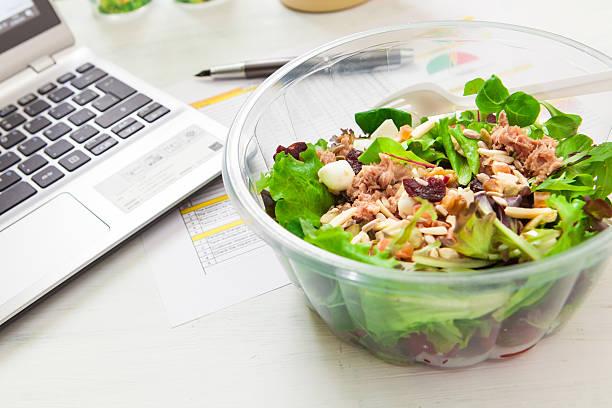
“Failing to plan is planning to fail.” This quote rings especially true when it comes to eating well while juggling a busy life. A study by the International Journal of Behavioral Nutrition shows that people who plan their meals are more likely to eat healthier and save time during the week. But let’s be honest—meal planning can feel overwhelming at first.

“Failing to plan is planning to fail.” This quote rings especially true when it comes to eating well while juggling a busy life. A study by the International Journal of Behavioral Nutrition shows that people who plan their meals are more likely to eat healthier and save time during the week. But let’s be honest—meal planning can feel overwhelming at first.

The first step is the simplest: create a weekly meal plan. This doesn’t mean planning every single bite. Focus on the essentials:
Start small by planning 3–4 meals. Over time, you’ll find your rhythm.
A grocery list is your best tool for efficient shopping and preventing food waste. Write down everything you need based on your plan and organize it by store sections.
Example: Group vegetables, proteins, and pantry items together.
Stick to the list! Avoid impulse buys that add clutter to your fridge and drain your wallet.
Shopping becomes faster, and you’ll avoid the dreaded midweek grocery run.
Batch cooking is a game-changer. Dedicate one or two days a week to cooking in bulk. Ideas include:
Roasting a sheet pan of mixed vegetables and proteins for mix-and-match meals.
Store your meals in airtight containers to keep them fresh and ready to grab.
Meal prep isn’t just for gym enthusiasts. Prepping key ingredients in advance can drastically reduce cooking time. Chop vegetables, marinate proteins, or cook a batch of pasta or rice ahead of time.
Pro tip: Store prepped ingredients in clear containers so you can see what you have at a glance.
Not all healthy meals take hours to prepare. Focus on recipes that are nutritious, delicious, and fast:
Look for recipes that require 30 minutes or less to make your evenings stress-free.

The right tools can make a world of difference. Consider these:
These small investments pay off with faster prep and easier cleanup.

Your freezer is your secret weapon. Double recipes and freeze half for later. Examples:
Soups, stews, and casseroles.
Pre-cooked proteins like shredded chicken or ground turkey.
Breakfast items like frozen smoothie packs or breakfast burritos.
When life gets hectic, these ready-to-heat meals are a lifesaver.

Snacks are often an afterthought, but they’re key to staying energized. Prep healthy options like:
Having snacks on hand keeps you from reaching for unhealthy options when hunger strikes.
Over time, create a collection of easy recipes that work for your family or lifestyle. These could include:
Rotate these meals to keep things simple and avoid decision fatigue.
Even with the best plans, life happens. Meetings run late, or plans change. Always keep a few backup options, like canned soup, frozen veggies, or a simple pasta dish with jarred sauce. Flexibility is key to making meal planning sustainable.
Meal planning isn’t about perfection; it’s about making life easier. By dedicating a little time upfront, you’ll gain back hours during the week, reduce stress, and enjoy healthier meals. Start small—maybe just plan dinners for the week—and see how much of a difference it makes.
Leading the way in health excellence through innovation, expertise, care and support.