

Posted 8 months ago 4265 views 12 mins read
Over 75% of adults will experience hemorrhoids by age 50. But here's what's even more startling in most countries, the prevalence hovers around 9-11% of the population at any given time, yet up to 38% of people undergoing routine colonoscopy screenings show evidence of hemorrhoids PMC Research. The disconnect? Most people are walking around with hemorrhoids and don't even know it! I've spent years helping patients understand that hemorrhoid prevention isn't just about avoiding a painful condition it's about maintaining quality of life and preventing a cascade of complications that can affect everything from your daily comfort to your confidence. The good news? The most effective prevention strategies are surprisingly simple, but they must be implemented correctly.
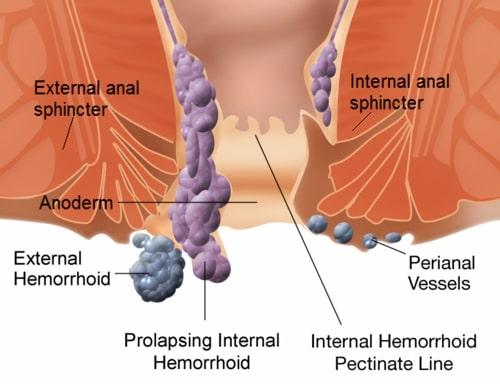
Recent research has revolutionized our. understanding of hemorrhoid formation. Contrary to popular belief, hemorrhoids aren't simply "varicose veins of the anus." They're actually a complex condition involving deterioration of supporting connective tissue, venous dilation, and severe inflammation.
What's particularly interesting is that studies challenge the traditional assumption that constipation and straining are the primary culprits. A groundbreaking case-control study found that hemorrhoid patients and control subjects reported similar stool consistency and rarely admitted to straining
This means your prevention strategy needs to be more sophisticated than just "eat more fiber and don't strain."
Everyone tells you to eat more fiber, but they're doing it wrong.
The American Family Physicians recommends 25-35 grams of fiber daily, but here's the critical detail most people miss: the type of fiber matters enormously.
Soluble vs. Insoluble: The Critical Difference
- Soluble fiber(like psyllium) has a high capacity to hold water and resists dehydration in the large bowel
- Insoluble fiber(like wheat bran) mechanically stimulates secretion of water and mucous
The magic number: Recent meta-analysis of seven clinical trials showed that proper fiber supplementation reduces bleeding by 50% and decreases the risk of persistent symptoms by 47%
Your action plan: Start with 5 grams daily and increase gradually. Always pair with adequate water intake approximately 2 liters daily. This prevents the fiber from actually worsening constipation.
Here's something that will make you rethink your bathroom habits: A recent study found that using smartphones on the toilet increases hemorrhoid risk by nearly 50% due to prolonged sitting times.
The 3-Minute Rule : Research shows that sitting on an open toilet seat creates increased pressure on hemorrhoidal tissue. Limit toilet time to 3 minutes maximum. No phones, no reading, no lingering.
Proper positioning matters:
- Feet flat on floor or footstool
- Slight forward lean (not hunching)
- Never strain if nothing happens in 3 minutes, get up and try later
Physical activity prevents hemorrhoids, but the wrong exercise can trigger them.
The research is clear Moderate physical activity (20-60 minutes, 3-5 days per week) significantly reduces hemorrhoid occurrence . But here's what most fitness enthusiasts don't know:
Safe exercises:
- Walking and swimming
- Yoga and controlled movement exercises
- Light aerobic activities
Dangerous exercises to avoid :
- Cycling and rowing (pressure on sensitive areas)
- Heavy weightlifting with Valsalva maneuver
- Horseback riding
Pro tip: The goal is promoting regular bowel movements and improving circulation while strengthening pelvic floor muscles without creating excessive pressure.
Most experts recommend a 20-minute sitz bath after each bowel movement and 2-3 times daily during flare-ups
Why it works : Sitz baths provide soothing effects and help relax anal sphincter muscles . The warm water increases blood flow and reduces muscle spasm.
Proper technique :
- Water temperature: Warm, not hot (98-105°F)
- Duration: 15-20 minutes
- Pat dry gently never rub
- Follow with barrier cream if recommended
BMI isn't the whole story, but waist circumference is crucial.
Research shows that an increase in BMI increases hemorrhoid risk by 3.5% . But here's the sophisticated insight: It's not just about weight it's about intra-abdominal pressure and chronic inflammation.
What really matters : Your waist circumference. This predicts low-grade inflammation and associated risks better than BMI alone.
Target measurements:
- Women: <80cm (normal BMI), <90cm (overweight)
- Men: <90cm (normal BMI), <100cm (overweight)
Recent groundbreaking research reveals that gut dysbiosis contributes to constipation and hemorrhoid development. The solution isn't just fiber it's supporting healthy gut bacteria .
Action steps :
- Include fermented foods daily
- Consider probiotic supplementation
- Reduce processed foods that disrupt microbiome balance
Psychological stress and depression increase hemorrhoid risk. Korean research found that depression showed a strong association with higher hemorrhoid risk (OR = 1.83)
Stress management strategies :
- Regular meditation or mindfulness practice
- Adequate sleep (7-9 hours nightly)
- Stress-reduction techniques during bowel movements
25-35% of pregnant women develop hemorrhoids , but this is largely preventable.
Prevention during pregnancy :
-Increase fiber intake gradually to 25-28g daily for women 19-50
- Maintain adequate hydration (2+ liters daily)
- Gentle exercise like walking throughout pregnancy
- Avoid prolonged sitting take walking breaks every hour
Week 1: Foundation Building
- Establish the 3-minute toilet rule
- Begin gradual fiber increase (start with 5g additional daily)
- Implement daily sitz baths if you have any current symptoms
Week 2: Movement Integration
- Add 20 minutes of walking daily
- Learn proper toilet positioning
- Increase fiber to 15g above baseline
Week 3: Advanced Strategies
- Target your goal fiber intake (25-35g daily)
- Add stress management techniques
- Optimize hydration (2L daily minimum)
Week 4: Lifestyle Integration
- Full implementation of all strategies
- Regular monitoring of waist circumference
- Establish long-term sustainable habits
Even with perfect prevention, know when to seek medical help :
- Persistent bleeding that doesn't respond to conservative measures
- Severe pain that interferes with daily activities
- Changes in bowel habits lasting more than a few days
- Any rectal bleeding in people over 40 (requires colonoscopy evaluation)
Hemorrhoid prevention isn't just about avoiding pain it's about maintaining your quality of life and preventing a condition that affects nearly three-quarters of adults at some point.
The most effective approach combines :
- Strategic fiber intake with a
dequate hydration
- Proper toilet habits and positioning
- Appropriate exercise selection
- Stress management and overall wellness
Leading the way in health excellence through innovation, expertise, care and support.