1 year ago


Posted 10 months ago 965 views 6 mins read
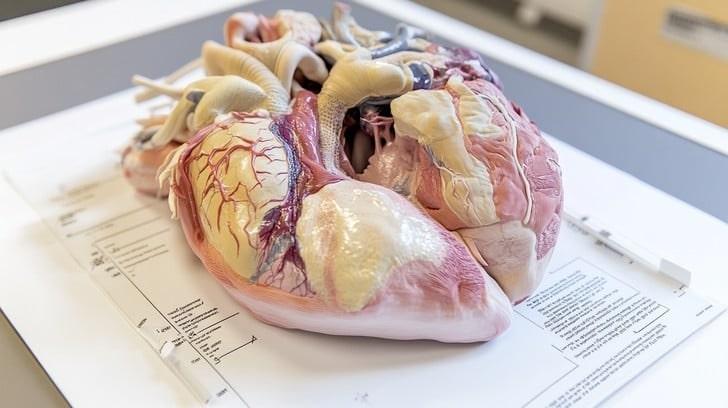
Every 34 seconds in America, someone dies from cardiovascular disease. That's not just another statistic it's a wake up call that should make your heart skip a beat, though hopefully not literally! While most of us picture heart attacks as dramatic, chest-clutching episodes straight out of a movie, the reality is far more insidious. Research shows that one in five heart attacks are completely silent, slipping past their victims like a thief in the night. I've spent years treating patients who walked into my office completely unaware they'd already survived a heart attack. Their stories all share a common thread: the warning signs were there, whispered rather than screamed, dismissed as everyday ailments rather than recognized as distress calls from a struggling heart.
Here's what keeps me up at night: 22% to 60% of all heart attacks occur without the classic symptoms we've been taught to recognize Cleveland Clinic. These silent heart attacks are particularly common in women and people with diabetes, yet they cause the same devastating damage to heart muscle as their more dramatic counterparts.
The numbers tell a sobering story. In 2023, cardiovascular disease claimed 919,032 lives in the United States that's equivalent to one in every three deaths CDC. What's even more alarming? Many of these deaths could have been prevented if people had recognized the subtle early warning signs their bodies were sending.

Let me start with the most overlooked symptom: unexplained fatigue. I'm not talking about feeling tired after a long day or a sleepless night with a crying baby. This is different a bone-deep exhaustion that doesn't improve with rest.
Dr. Randall Zusman from Harvard -affiliated Massachusetts General Hospital explains that this type of fatigue can signal heart failure or coronary artery disease. "It's less common as an indication of coronary artery disease, but it can be," he notes Harvard Health. When your heart struggles to pump efficiently, your body diverts energy from non-essential functions, leaving you feeling drained and weak.
The key distinction? This fatigue appears without obvious cause and persists despite adequate sleep and rest. Women, in particular, should pay attention to this symptom, as they're more likely than men to experience fatigue as a primary heart attack warning sign.
Forget everything Hollywood taught you about heart attacks. The crushing chest pain grabbing the left arm? That's just one presentation of many. Your heart's cry for help often manifests in places you'd never suspect.
The blockage of blood supply to heart muscle causes the organ to "cry out in pain," but that pain doesn't always stay put in the chest. It can radiate to shoulders, arms, back, jaw, or even the upper abdomen. I've had patients describe it as feeling like they slept wrong or pulled a muscle during exercise.
The American Heart Association reports that women having heart attacks frequently describe "upper back pressure that feels like squeezing or a rope being tied around them" American Heart Association. This pain typically appears during physical activity and disappears with rest a pattern that should immediately raise red flags.
"If you climb up five flights of stairs, I expect you to be short of breath. But if you go up 10 stairs and you're short of breath, that may indicate a heart problem," warns Dr. Zusman.
Unexplained shortness of breath particularly when it occurs with minimal exertion is one of the most frequently overlooked heart disease symptoms. This isn't about being out of shape; it's about your heart's diminished ability to meet your body's oxygen demands.
Women are especially prone to dismissing this symptom, often attributing it to aging, weight gain, or lack of fitness. But when breathlessness appears suddenly or worsens progressively, it demands medical attention. The heart may be struggling to pump blood effectively, leading to fluid buildup in the lungs.

Your heart doesn't just live in your chest its health affects your entire body. When heart function deteriorates, one of the first places you'll notice is your feet and ankles.
The type of swelling to watch for leaves an indentation when you press your finger into it. This "pitting edema" occurs when your heart can't pump blood efficiently, causing fluid to back up in your lower extremities. While kidney disease, liver problems, or certain medications can also cause swelling, when it appears alongside other subtle symptoms, heart failure becomes a serious consideration.
Many people dismiss ankle swelling as a normal part of aging or standing too long. Don't make that mistake especially if the swelling is new, progressive, or accompanied by fatigue or shortness of breath.
Heart palpitations that irregular or rapid heartbeat sensation often get dismissed as anxiety or too much caffeine. While these causes are indeed common, palpitations can also signal serious heart rhythm problems.
The context matters enormously. If you're resting and watching television when your heart suddenly starts racing or beating irregularly, that's worth investigating. Palpitations during rest or that occur frequently deserve medical evaluation, especially when combined with other symptoms like dizziness, chest discomfort, or shortness of breath.
Women face a particularly dangerous disadvantage when it comes to heart disease recognition. The American Heart Association's research shows that signs of heart disease are often more subtle in women than men, leading to delayed diagnosis and treatment NBC News .
Women experiencing heart attacks are more likely to repor
•Unusual fatigue and weakness
•Nausea and vomiting
•Back or jaw pain
•Shortness of breath without chest pain
•Anxiety and sweating
The tragic irony? Heart disease is the number one killer of women in the United States, yet women often attribute these symptoms to less serious conditions like acid reflux, flu, or normal aging American Heart Association.
Recognition is only the first step. Here's what you must do if you experience any combination of these symptoms:
Seek immediate medical attention if symptoms come on suddenly or occur with exertion and improve with rest. Don't drive yourself call 911. Time is heart muscle, and every minute counts.
Schedule a cardiovascular risk assessment with your healthcare provider, especially if you have risk factors like high blood pressure, diabetes, high cholesterol, family history, or smoking history.
Document your symptoms carefully. Note when they occur, what triggers them, how long they last, and what provides relief. This information is invaluable for your healthcare provider.
Your heart speaks to you every day the question is whether you're listening. These subtle warning signs aren't dramatic, but they're urgent communications from an organ that quite literally keeps you alive.
The statistics are sobering: every 40 seconds, someone in America has a heart attack, and many of these could be prevented with earlier recognition and intervention CDC. Don't become another statistic because you dismissed fatigue as stress or breathlessness as being out of shape.


Leading the way in health excellence through innovation, expertise, care and support.