

Posted 8 months ago 2261 views 10 mins read
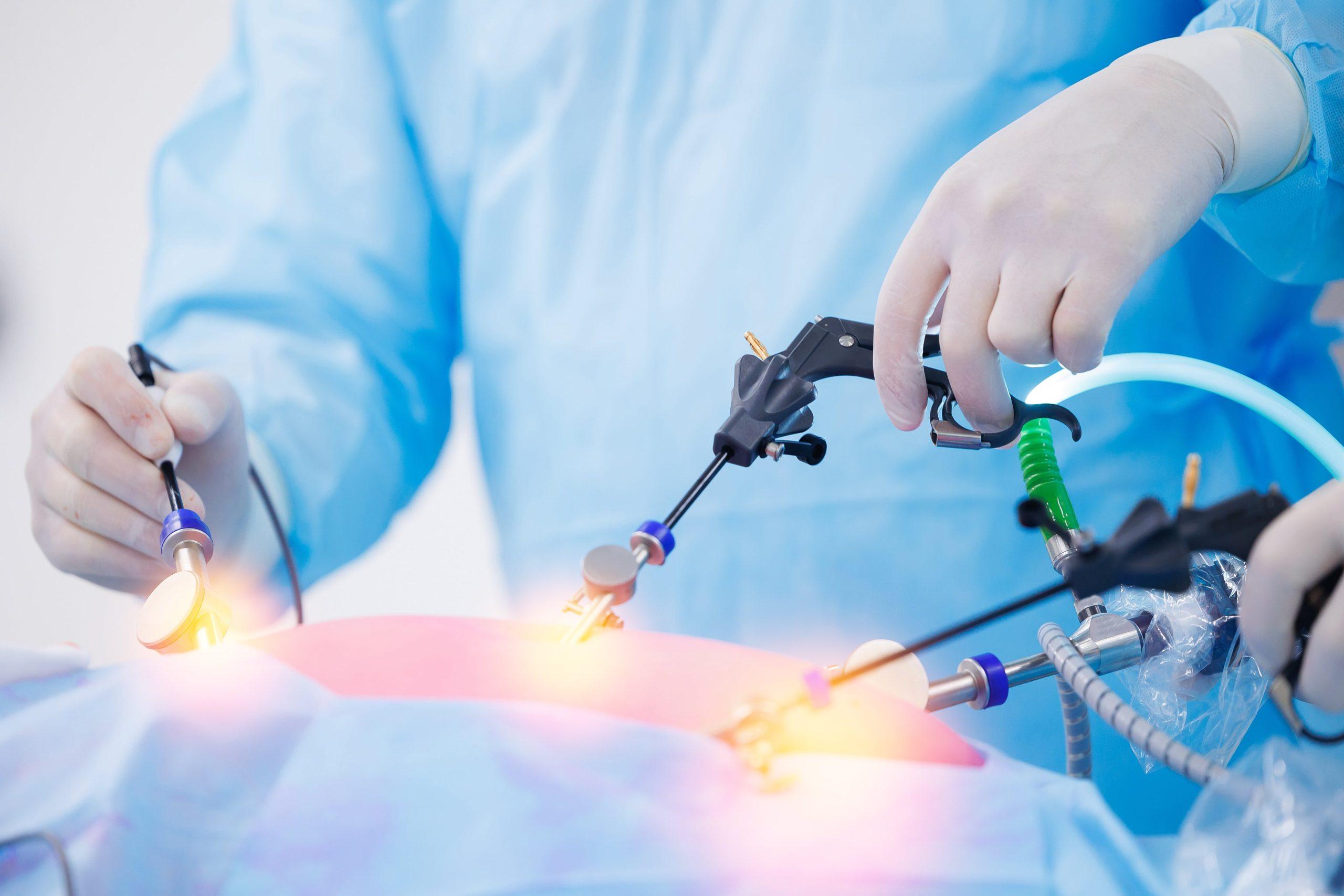
The global 3D laparoscopy imaging market just hit $4.60 billion in 2024 and is racing toward $8.80 billion by 2034 that's a staggering 91% growth in just one decade. This isn't just another piece of expensive medical equipment gathering dust in storage rooms. We're witnessing a fundamental shift in surgical practice that's reshaping operating rooms worldwide, driven by data that would make any hospital administrator take notice.
Here's what caught the attention of surgical departments globally: a comprehensive systematic review of 25 randomized controlled trials involving 3,003 patients revealed that 3D laparoscopic systems reduce operative time by 8% compared to traditional 2D systems. That translates to saving approximately 9 minutes per procedure from an average of 122 minutes down to 113 minutes PMC - Surgeon Preference Study.
But the real story isn't just about time savings. It's about what those minutes represent in the broader healthcare ecosystem.
When hospitals invest in 3D laparoscopic systems, they're not just buying better cameras they're purchasing measurable return on investment. A comprehensive budget impact analysis conducted in Germany and the UK demonstrated economic benefits ranging from £183,045 to £866,316 annually for institutions using 3D laparoscopy instead of 2D systems ScienceDirect.
The math is compelling: shorter operative times mean more procedures per day, reduced anesthesia costs, faster patient turnover, and decreased overall resource utilization. In an era where operating room time costs hospitals $62-$.133 per minute, those 9-minute savings per case quickly compound into substantial financial benefits.
Major health systems are taking notice. Texas Health expanded its surgical robotics program in June 2024, specifically targeting enhanced surgical precision and improved patient outcomes across their system Grand View Research . This reflects a broader trend where institutions view advanced visualization technology as a competitive advantage rather than an optional upgrade.

Perhaps the most surprising finding from recent research is the overwhelming surgeon preference for 3D systems. In 87% of randomized controlled trials that assessed surgeon preference, the majority of participating surgeons favored 3D vision over traditional 2D laparoscopy
This isn't just about having fancier equipment in the OR. Surgeons report significant improvements in depth perception, spatial orientation, and overall surgical precision with 3D systems. The enhanced visualization allows for more accurate tissue handling, reduces the cognitive load during complex procedures, and minimizes the learning curve for intricate surgical techniques.
Dr. Ahmad Hanif, a leading laparoscopic surgeon, explains the practical impact: "With 3D vision, I can perform more precise dissections, especially during complex procedures like laparoscopic partial nephrectomy or intricate colorectal surgeries. The depth perception is game-changing for suturing and anastomoses."
The 2018 European Association for Endoscopic Surgery (EAES) consensus statement validated these observations, concluding that 3D vision in laparoscopic surgery provides clear advantages in reducing operative times, decreasing cognitive load, and potentially minimizing complications PMC - Surgeon Preference Study.

Beyond surgeon satisfaction and economic benefits, the clinical outcomes data has been the decisive factor for many institutions. Studies consistently demonstrate that 3D laparoscopy significantly improves surgical performance across multiple specialties.
Bariatric Surgery Benefits: The most dramatic improvements were seen in bariatric procedures, where 3D systems reduced operative time by an impressive 16.3% PMC - Surgeon Preference Study. For weight-loss surgeries that can be technically challenging and time-intensive, this represents substantial clinical and economic value.
General Surgery Improvements: In general surgery procedures, 3D laparoscopy demonstrated a 6.7% reduction in operative time across nine different studies. While this might seem modest, it represents consistent, reproducible improvements across diverse surgical scenarios.
Reduced Blood Loss Trends: Although not reaching statistical significance in pooled analyses, individual studies consistently showed trends toward reduced estimated blood loss with 3D systems 60ml versus 72ml in 2D procedures. This 20% reduction suggests improved surgical precision and tissue handling.

The current wave of 3D laparoscopic adoption represents the culmination of significant technological advances. Early 3D systems were plagued by issues heavy active shutter glasses caused headache and eye strain, poor image quality led to visual fatigue, and limited compatibility created workflow disruptions.
Modern HD passive polarized 3D systems have eliminated these barriers. The "near natural" 3D viewing experience now available since 2012-2014 has fundamentally changed the value proposition. Surgeons can work longer procedures without discomfort while maintaining superior depth perception throughout complex operations.
The integration of 4K resolution with 3D imaging has created visualization systems that exceed the capabilities of the human eye. Some institutions are finding that even experienced surgeons who were skeptical of new technology are requesting access to 3D systems after brief exposure.
The rapid adoption isn't happening in isolation it's part of a broader transformation in surgical technology investment. The global laparoscopic instruments market is expected to expand from $10.26 billion in 2024 to $23.48 billion by 2034, representing a compound annual growth rate of 9.1% Towards Healthcare.
Hospitals and surgical centers represent the largest end-user segment, accounting for the majority of market share in 2024. This institutional dominance reflects the reality that advanced surgical systems require significant infrastructure investment, making adoption by large healthcare organizations more feasible than individual practice purchases.
Insurance reimbursement patterns are also supporting adoption. Medicare covers up to 75% of laparoscopic procedures, and insurers are increasingly recognizing the cost-effectiveness of minimally invasive surgery with improved outcomes. The economic case for 3D systems becomes even stronger when considering reduced hospital stays, lower complication rates, and faster patient recovery times.

Looking ahead, the adoption of 3D laparoscopic systems represents more than just an equipment upgrade it's reshaping surgical training, standardizing advanced minimally invasive techniques, and establishing new benchmarks for surgical precision.
Medical institutions investing in 3D systems now are positioning themselves for the next wave of surgical innovation. As artificial intelligence integration, augmented reality overlays, and robotic assistance become standard features, the foundation of advanced 3D visualization will be essential.
The compound annual growth rate of 6.3% projected for hospital adoption of 3D laparoscopic imaging systems through 2030 suggests this isn't a temporary trend but a fundamental shift in surgical practice standards Market Research Future.
For healthcare administrators evaluating surgical technology investments, the evidence is clear: 3D laparoscopic systems offer measurable improvements in operative efficiency, surgeon satisfaction, and clinical outcomes. The institutions adopting these systems today aren't just buying equipment they're investing in the future of surgical excellence.
The rapid adoption we're witnessing reflects a perfect convergence of technological maturity, clinical evidence, economic benefits, and surgeon demand. As the market continues expanding toward that projected $8.80 billion by 2034, the institutions leading this adoption wave will have established competitive advantages that extend far beyond their operating rooms.
Leading the way in health excellence through innovation, expertise, care and support.