

Posted 1 year ago 1228 views 3 mins read
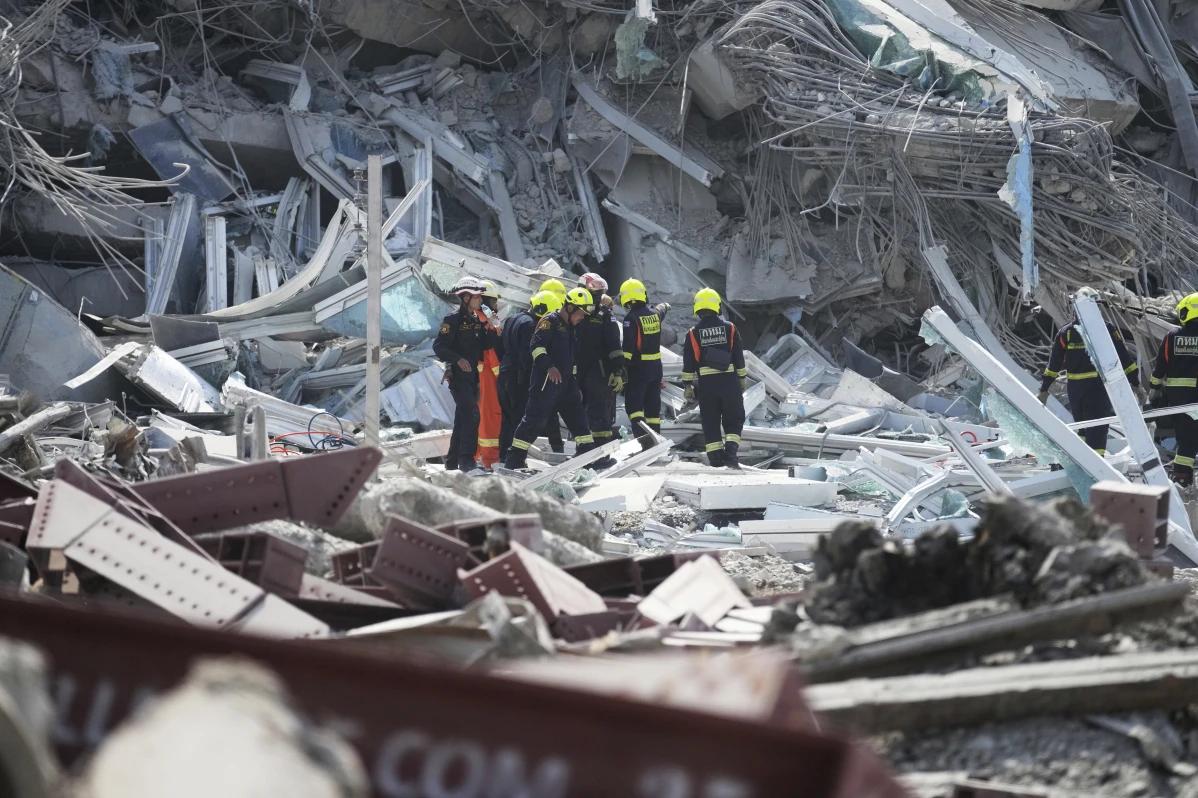
A 7.7 magnitude earthquake struck central Myanmar today, sending shockwaves across Southeast Asia. The tremors were powerful enough to cause a skyscraper collapse in Bangkok, Thailand, resulting in at least two fatalities and multiple injuries. The disaster has triggered emergency responses in both Myanmar and Thailand, with authorities warning of aftershocks and ongoing dangers.
The earthquake's epicenter was near Mandalay, Myanmar, at a depth of approximately 10 kilometers (6.2 miles). Its shallow depth contributed to the severity of the tremors, which were felt across Myanmar, Thailand, China, India, and Vietnam. Just minutes after the initial quake, a 6.4 magnitude aftershock struck, followed by smaller tremors, adding to the destruction. The seismic event has been classified as one of the strongest to hit the region in recent years.

Myanmar suffered the most devastating impact from the earthquake, with at least 20 confirmed deaths, including 10 people who died in a mosque collapse in Mandalay. Many ancient structures, including the Mandalay Royal Palace and a historic 90-year-old bridge, have been severely damaged. The Myanmar military government has declared a state of emergency in six regions and is coordinating with rescue teams to find survivors under the rubble. International assistance is being sought as the scale of destruction becomes clearer.
Despite being over 500 kilometers from the epicenter, Bangkok experienced strong tremors due to its soft clay soil, which amplifies seismic waves. A high-rise building under construction in the Chatuchak district collapsed, killing at least two workers and trapping others. Emergency responders are working tirelessly to rescue those still buried under the debris. Bangkok authorities have declared the city a disaster zone and established an earthquake response command center to coordinate relief efforts.

The earthquake was felt beyond Myanmar and Thailand, with reports of damage and evacuations in several countries. In China, tremors were reported in Yunnan and Sichuan provinces, where some injuries and structural damage have been recorded. In India, the earthquake was strong enough to be felt in the Delhi-National Capital Region, causing panic and prompting evacuations in high-rise buildings. Similarly, in Vietnam, the shaking led to building evacuations in Hanoi and Ho Chi Minh City. These widespread effects highlight the far-reaching impact of such powerful seismic events.
Although Bangkok is not situated on a major fault line, its geological makeup makes it highly vulnerable to distant earthquakes. The city's foundation consists of soft clay, which amplifies the intensity of seismic waves, making tremors feel stronger than they should be based on distance alone. This effect was also observed during the 2014 Chiang Rai earthquake, which damaged several buildings in Bangkok despite occurring hundreds of kilometers away.

Preparation is key to minimizing risk during an earthquake. Secure heavy furniture such as bookshelves and cabinets to walls to prevent them from falling. Identify safe spots in your home, such as under sturdy tables or against interior walls, where you can take cover if the ground starts shaking. It is also crucial to have an emergency kit ready, including water, food, flashlights, a first aid kit, and essential documents.
When an earthquake strikes, follow the Drop, Cover, and Hold On rule. Drop to the ground, take cover under a sturdy piece of furniture, and hold on until the shaking stops. If you are indoors, stay inside, as running outside can put you at risk of falling debris. Avoid elevators at all costs—use stairs if an evacuation is necessary. If you are in a vehicle, pull over to a safe spot away from bridges and overpasses.
Once the shaking stops, check yourself and others for injuries and seek medical help if needed. Be prepared for aftershocks, as these can cause further damage. If you notice structural cracks or gas leaks in your home, evacuate immediately and alert authorities. Stay informed by following official updates on the situation, and avoid using your phone unless necessary to keep communication lines open for emergencies.Emergency kit

This earthquake serves as a stark reminder of the importance of earthquake preparedness, even in areas where major quakes are rare. Bangkok’s experience highlights the need for stricter building regulations, better emergency planning, and increased public awareness about earthquake safety. As rescue operations continue in Myanmar and Thailand, it is crucial for individuals to stay informed, take precautions, and be ready for possible aftershocks.
Leading the way in health excellence through innovation, expertise, care and support.