

Posted 1 year ago 633 views 3 mins read
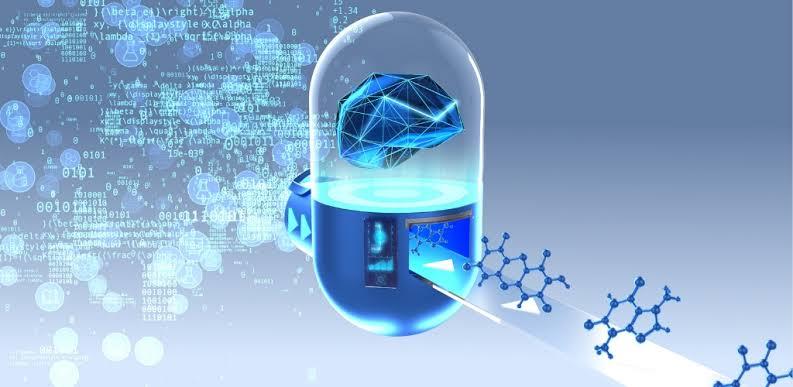
Imagine discovering a new drug in months, not years. That’s what AI is bringing to the table in drug design, and the possibilities are immense. From predicting how molecules will interact to personalizing medicine on a genetic level, artificial intelligence is transforming the entire process of creating life-saving treatments. This isn’t just theory—it’s happening right now. And it’s not just about making the process faster or cheaper. It’s about making it smarter. Let’s dive into how AI is revolutionizing drug design, making it more efficient, targeted, and personalized than ever before.

Traditional drug discovery is a lengthy, expensive process. It takes years to bring a drug from the lab to your pharmacy shelves. But AI is accelerating this timeline. Here’s how:
• Predictive Models: AI algorithms analyze massive datasets to predict how different compounds will behave in the body. This drastically reduces the guesswork involved in selecting drug candidates, speeding up the early stages of research.
• Automated Screening: AI-powered systems can screen thousands of compounds in a fraction of the time it would take human researchers. With the click of a button, AI can identify the most promising molecules to pursue further.
Instead of relying on trial and error, AI can help scientists quickly zero in on the best potential drugs. That means fewer dead-ends and a faster path to real, tangible results.
Once a promising drug is identified, it needs to undergo vigorous development and testing. Here’s where AI continues to make waves.
• Smarter Clinical Trials: AI is reshaping the way clinical trials are designed. By analyzing patient data, AI can identify the right participants, predict outcomes, and even optimize trial designs to improve efficiency. This results in fewer trials, reduced costs, and, importantly, faster access to life-saving treatments.
• Real-Time Monitoring: During trials, AI-powered systems can monitor patient responses in real-time. This ability to track progress and spot potential issues before they escalate is invaluable in drug development.
In essence, AI is not just speeding up the discovery phase—it’s also enhancing the development phase, ensuring that drugs are safe, effective, and get to market as quickly as possible.

What if drugs could be designed specifically for you, based on your unique genetic makeup? That’s the future AI is making possible.
• Genomic Data: By analyzing genetic data, AI can help design drugs that are more effective for individuals with specific genetic profiles. This means no more trial-and-error with medications—AI can predict what will work best for each patient.
• Targeted Therapies: AI can identify biomarkers and target specific pathways involved in diseases, allowing for more precise treatments. For conditions like cancer, where each tumor behaves differently, AI is helping to create therapies that are tailored to the individual.
Personalized medicine is no longer a distant dream. Thanks to AI, we’re closer to a world where every treatment is fine-tuned to fit the individual, improving outcomes and minimizing side effects.
AI isn’t just about creating new drugs—it’s also revolutionizing how we think about existing ones. Drug repurposing is the process of finding new uses for already-approved medications, and AI is accelerating this discovery.
• Faster Identification: AI can sift through existing drug databases and medical records to identify new ways to use old drugs. This is especially important in cases where rapid treatments are needed, like in pandemics or emerging health threats.
• COVID-19 and Beyond: During the COVID-19 crisis, AI played a critical role in identifying potential treatments by analyzing the chemical makeup of existing drugs. What once took years of research was fast-tracked thanks to AI’s predictive power.
AI in drug repurposing is helping us tap into the untapped potential of drugs that were once overlooked, offering new hope for treating a variety of diseases.

AI is just getting started, and the potential for revolutionizing drug design is enormous.
• Advances in Machine Learning: As AI systems become more sophisticated, their ability to predict and optimize drug development will only improve. Machine learning algorithms will learn from every new data point, refining their predictions and making the drug design process even more precise.
• Global Impact: AI’s ability to speed up drug development has the potential to bring treatments to market faster, saving millions of lives worldwide. From cancer therapies to vaccines, AI can reduce the time it takes to develop groundbreaking treatments.
In the future, AI could completely change how we approach drug design. Faster, more efficient, and more personalized—AI has the power to revolutionize the entire pharmaceutical industry.
AI is more than just a tool for improving drug design—it’s the key to faster, more effective, and personalized treatments. By streamlining discovery, improving clinical trials, enabling personalized medicine, and repurposing existing drugs, AI is reshaping the landscape of healthcare.
Leading the way in health excellence through innovation, expertise, care and support.