

Posted 1 year ago 2108 views 4 mins read
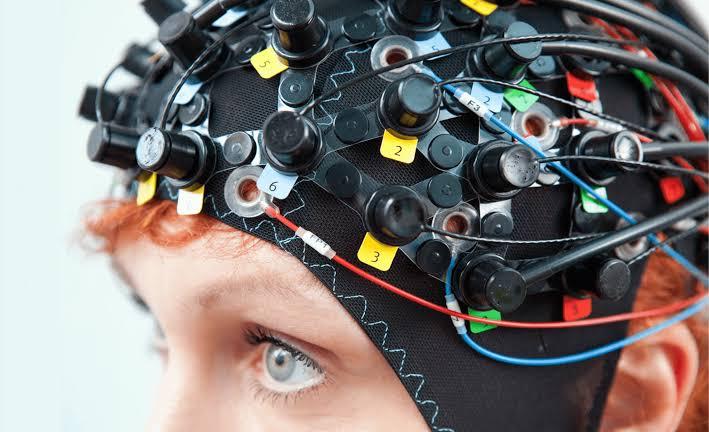
Imagine a world where mental health treatments are tailored to the individual, powered by technology that can predict symptoms before they arise and adjust treatments in real-time. We're not far from this reality. With innovations like brain-computer interfaces, AI-driven platforms, and psychedelic therapies, mental health care is shifting dramatically. As 2025 unfolds, these advancements promise to redefine how we treat conditions like depression, anxiety, and PTSD, offering new hope for millions. But what does this mean for you, whether you’re a healthcare professional, patient, or policymaker? Let’s dive into the latest mental health breakthroughs and how they’re reshaping the landscape of care.

BCIs aren’t just science fiction—they’re transforming how we approach mental health. By stimulating specific areas of the brain, BCIs aim to rebalance brain activity in patients with conditions like depression or addiction.
• How It Works: Using ultrasound technology, BCIs deliver targeted stimulation to rewire brain activity. This non-invasive method can potentially offer a new avenue for patients who have struggled with traditional therapies.
• The Potential: Early trials suggest that BCIs can improve mood and reduce symptoms of mental health disorders by directly influencing the brain’s circuitry. It’s a promising alternative for people who haven't found relief through medication or therapy alone.
The technology is still in its early stages, but its potential is huge. It could become a cornerstone of treatment in the coming years.

Artificial intelligence isn’t just revolutionizing business or manufacturing—it’s also changing the face of mental health care. With the help of AI, mental health professionals can now monitor patients in real-time, predict flare-ups, and customize treatments.
• Predicting Crises: AI can analyze a patient’s data—such as sleep patterns, physical activity, or social behavior—to predict a mental health episode before it happens. This gives doctors and patients the chance to intervene early, potentially preventing more serious issues.
• Personalized Treatment Plans: By analyzing large datasets, AI can help providers create customized care plans. This can improve outcomes by matching patients with the most effective treatments, whether that’s therapy, medication, or a combination of both.
For mental health professionals, adopting AI could lead to more precise, individualized care—ultimately improving patient outcomes.

Psychedelics are not new, but their therapeutic potential is only now being fully explored. Substances like psilocybin (from magic mushrooms) are being studied for their ability to treat conditions that have long been resistant to traditional therapies, such as depression and PTSD.
• How It Works: Under controlled conditions, patients are given psychedelics as part of a therapy session. The psychedelic experience is guided by a trained therapist, allowing patients to confront trauma and deeply ingrained emotional pain in a safe environment.
• The Promise: Early results from clinical trials are encouraging. Psychedelic therapy has shown promise in significantly reducing symptoms of severe depression, with some patients reporting long-lasting improvements after just a few sessions.
While there are still many hurdles to overcome—such as regulatory approval and broader societal acceptance—psychedelic therapy could revolutionize mental health treatment for people with treatment-resistant conditions.

Teletherapy is one of the most practical advancements in mental health care. Especially in rural or underserved areas, virtual therapy sessions are breaking down barriers to access, allowing people to receive care from the comfort of their homes.
• Convenience and Privacy: Patients can schedule sessions around their busy lives, often with less stigma than visiting a physical clinic. It also eliminates the need for travel, which is crucial for individuals in remote locations.
• Expanding Reach: With the increase in telehealth adoption, more people are able to access high-quality mental health care. For patients who would otherwise go untreated, teletherapy offers an accessible, effective solution.
For providers, this means the ability to expand your practice and reach patients who might otherwise fall through the cracks.

Digital therapeutics (DTx) is another game-changing tool in the mental health toolkit. These evidence-based software programs offer structured therapy through apps or online platforms. Unlike general wellness apps, DTx is clinically validated to treat specific conditions.
• How It Works: Patients use DTx apps to engage in therapeutic activities like cognitive behavioral therapy (CBT), mindfulness exercises, or mood tracking. The programs are designed to be used under the supervision of a healthcare provider, offering a supplement to traditional treatment.
• The Benefits: Studies show that DTx can effectively reduce symptoms of anxiety, depression, and other mental health conditions. It offers patients a way to manage their mental health between therapy sessions, promoting sustained progress.
For mental health providers, DTx presents an opportunity to integrate tech into your practice, offering patients additional support outside of regular appointments.
The future of mental health care is promising, and these innovations are just the beginning. As technology continues to evolve, the potential to treat mental health conditions more effectively and with greater precision grows.
For mental health professionals, staying up-to-date on these advancements is key to offering the best possible care. Whether you’re integrating AI into your practice or exploring the possibilities of psychedelic therapy, the tools of tomorrow are already here—and they’re ready to help.
From brain-computer interfaces to AI and psychedelic therapy, the mental health treatment landscape is undergoing a transformation. These innovations are not just changing how we treat mental illness—they’re changing lives. For those working in the field of mental health, embracing these advancements could mean offering more personalized, effective, and accessible care. The future is bright
, and it’s time to be part of the change.
Leading the way in health excellence through innovation, expertise, care and support.